
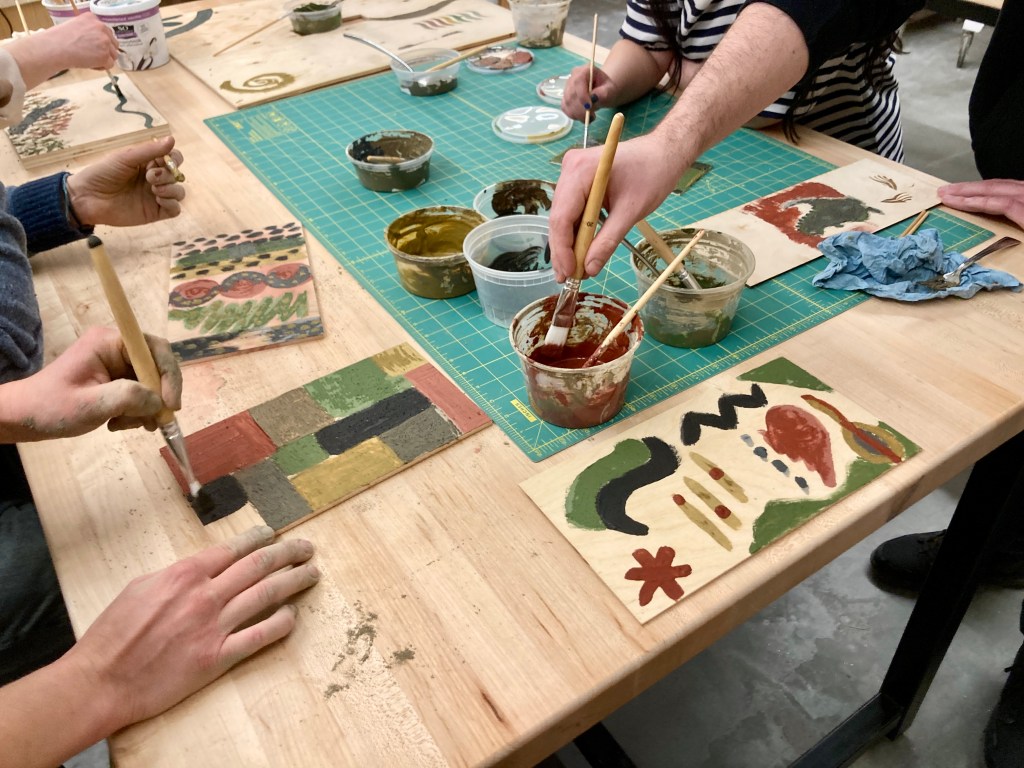
Clay Paint Workshop 4/5
The Making Clay Paint From Scratch workshop is running again, on Saturday April 5th, 1 PM to 3 PM at the Cambridge Foundry (101 Rogers St, Cambridge). Register here.
The last one was a hit, so I’m stoked to be offering it again (and even better). This is a great way to get introduced to the joy of foraged clay and experience painting in a new way!


The workshop is 2 hours long (time will fly!), including a brief presentation, hands-on paint making, and time to get creative.
We’ll be using Cambridge-harvested clay, wheat paste, and non-toxic pigments to blend up natural clay paints that are suitable for indoor uses. Participants will get to experience every step of the process, like screening subsoil, hydrating clay to the right consistency, making wheat paste, and of course, painting!
All materials are provided. You can take home the paint you make, and your painting. Tickets are $25-$45. Seats are limited for quality of experience.
Why clay paint?
Paint is notorious throughout history for being toxic. For its pigments, lead, cadmium, arsenic, radium, mercury, and uranium have been used. For its solvents, formaldehyde, toluene, xylene, and benzene have been gifted by modern chemistry. One study on the health effects of organic chemicals in paints estimated that every time a home is repainted, each resident loses between 3.6 hours and 3.5 days of their life.1
The pigments, solvents, and fillers are bound together by tiny plastic molecules, usually acrylic and polyvinyl alcohol, which contribute a whopping 58% of the microplastics in the world’s oceans and waterways.2
This all paints an ugly picture that should make anyone think twice about coating the walls of their home with it!
Clay paint is one far healthier alternative. In a simple recipe, clay provides sticking power and opacity, earth pigments add color, and wheat paste helps bind it all together. Unlike synthetic paints, which seriously pollute the environment when they are disposed or degraded, clay paint simply turns back into dirt.
In this workshop, I’ll present clay paints as not just a single drop-in substitution for a toxic product, but part of an entire alternative way of building and living: natural building.
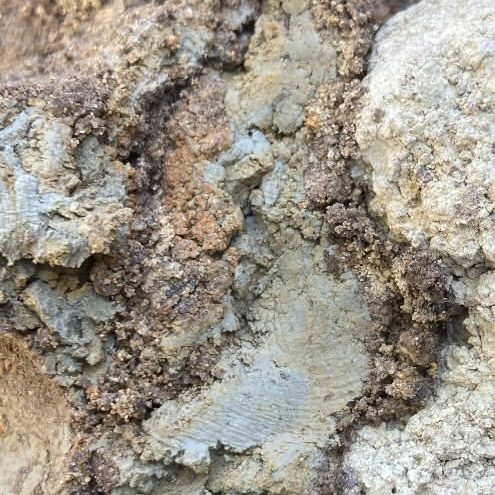
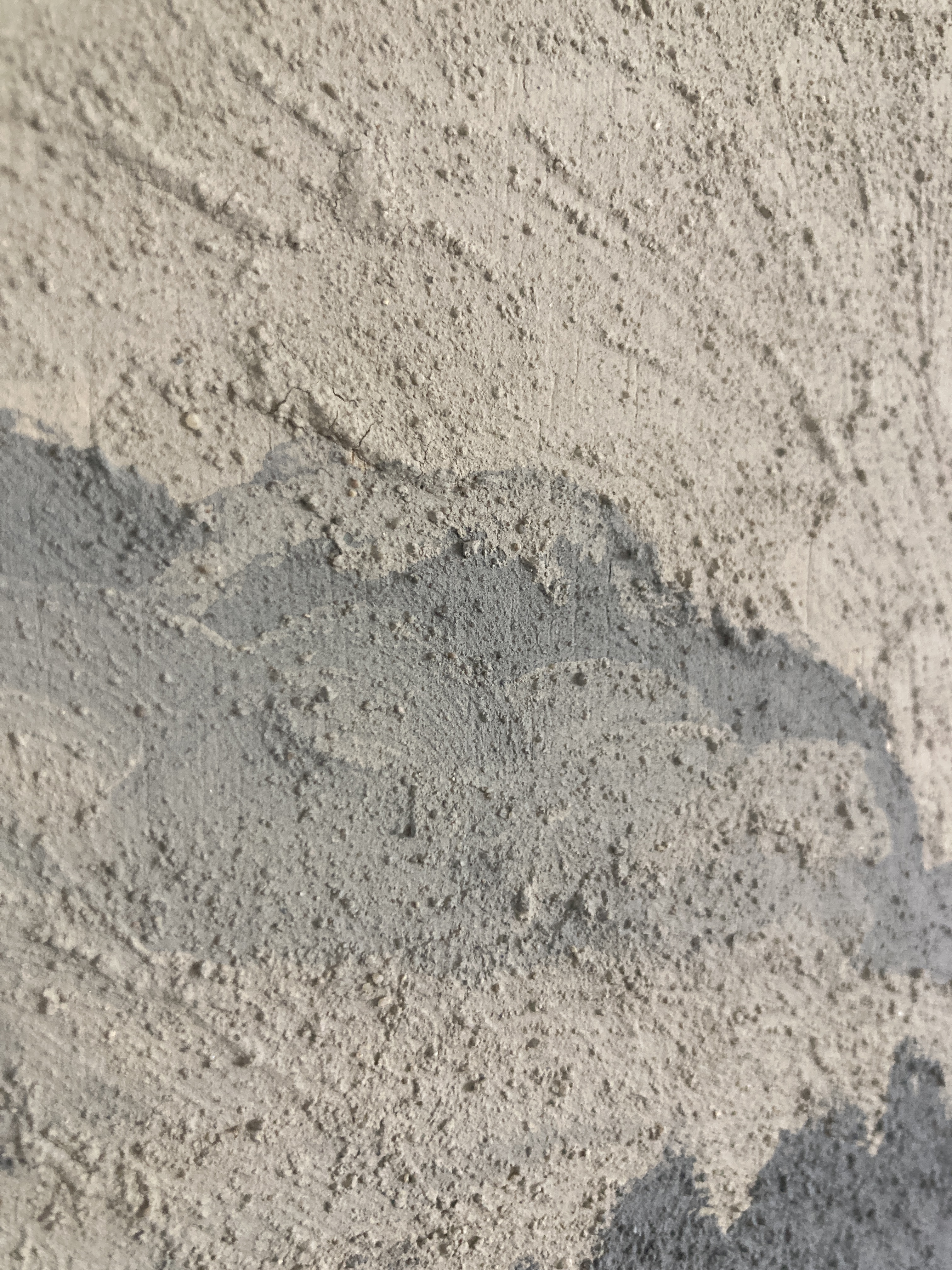
Left: pure, unprocessed Boston Blue Clay. Right: Clay painting made with it
Volunteering this Saturday 3/22
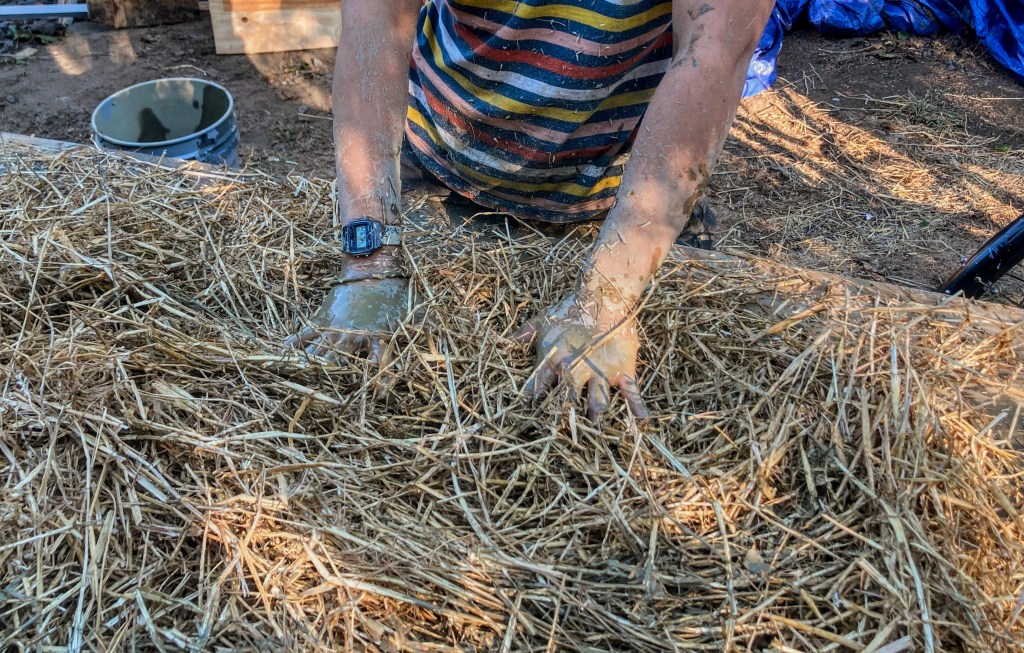
If you’re up for a refreshingly outdoors experience, I’m taking volunteers to do some light straw-claying at the tiny house in Medford this coming Saturday. Shoot me a message if you’d like to join! It might be a little chilly, but with the right clothing, it should be quite comfortable.
 biolithic builds
Leave a comment