
what if the act of making shelter could be good for everyone?
Good for residents…
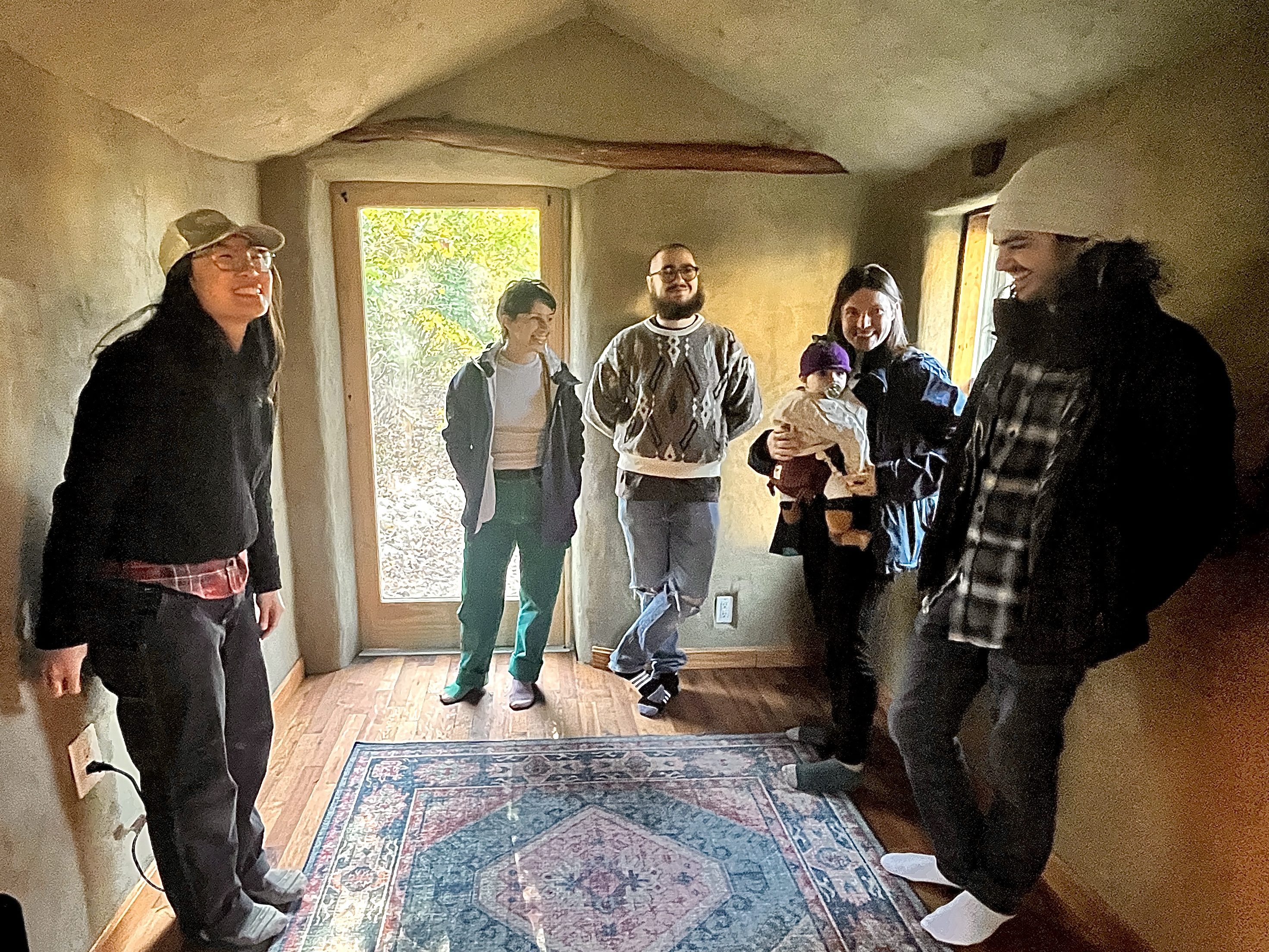
Healthy, effective, and repairable
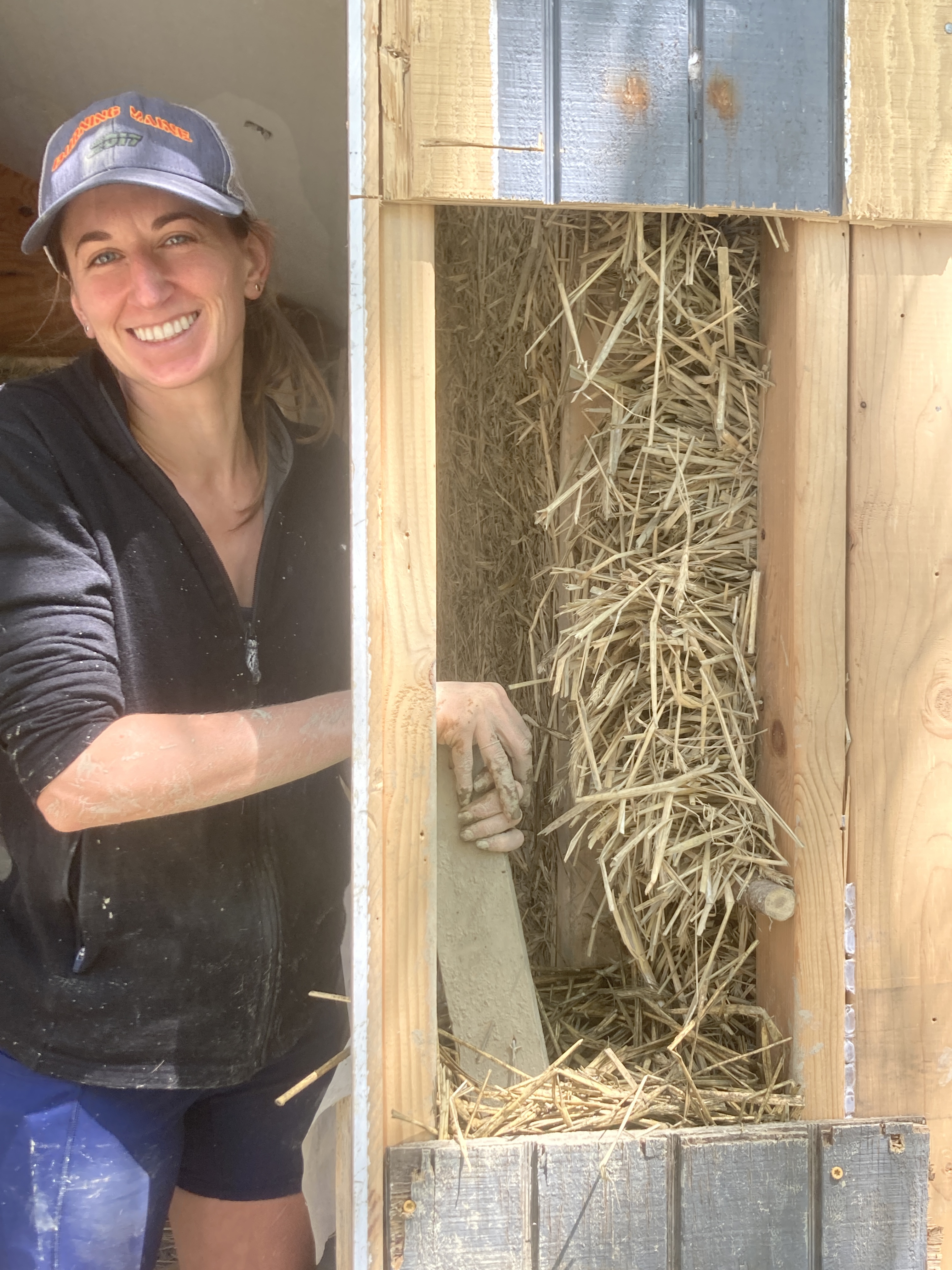
Good for workers…

Safe, supportive, and satisfying
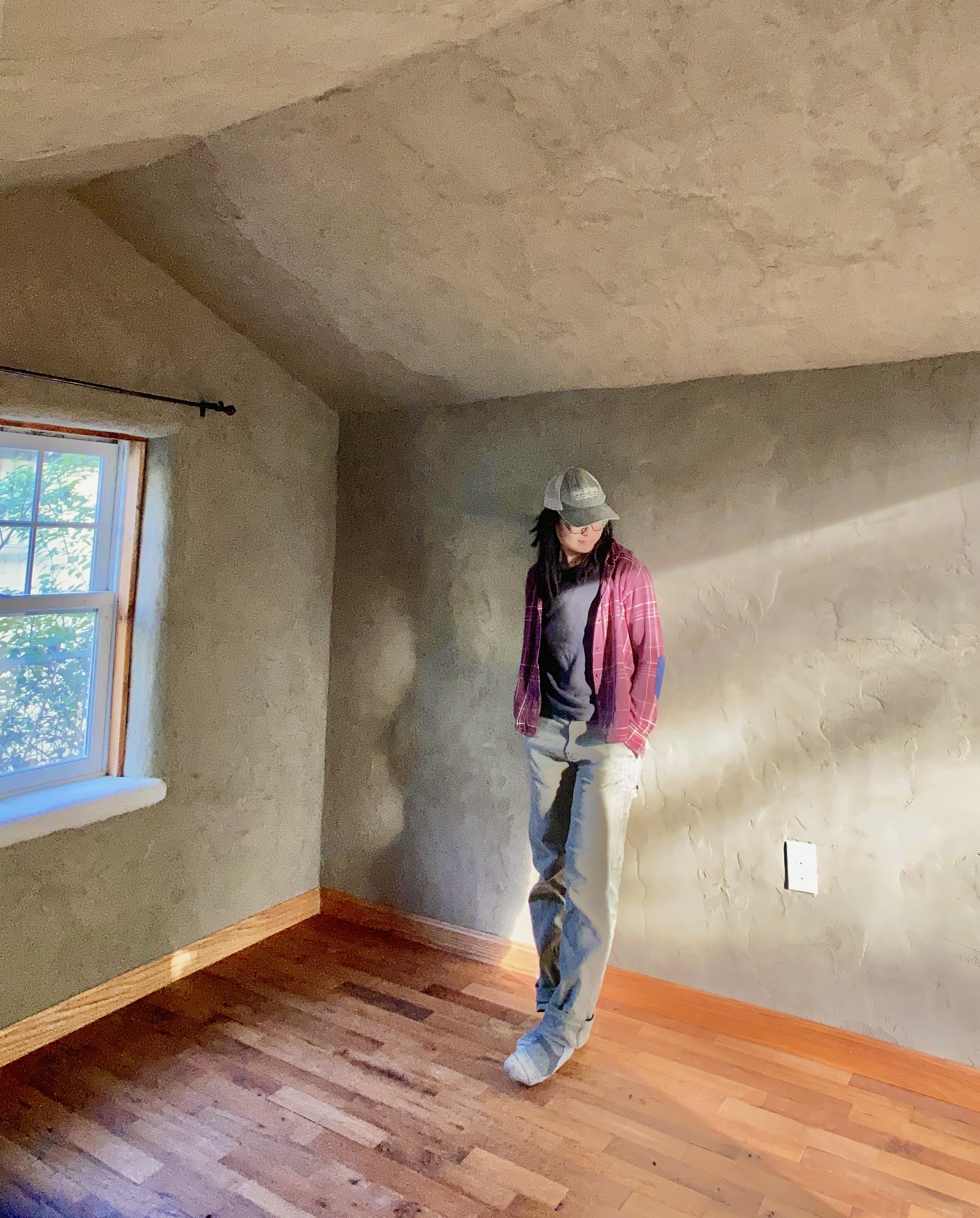
Good for the future!
Creating the world we want to live in
That’s the world that natural building helps us step into… here and now
Hi! I’m Emily, and my goal is to help you step into that world
I’m an engineer turned natural builder, on a mission to create life-changing natural building experiences
Join me in upcoming workshops in Greater Boston
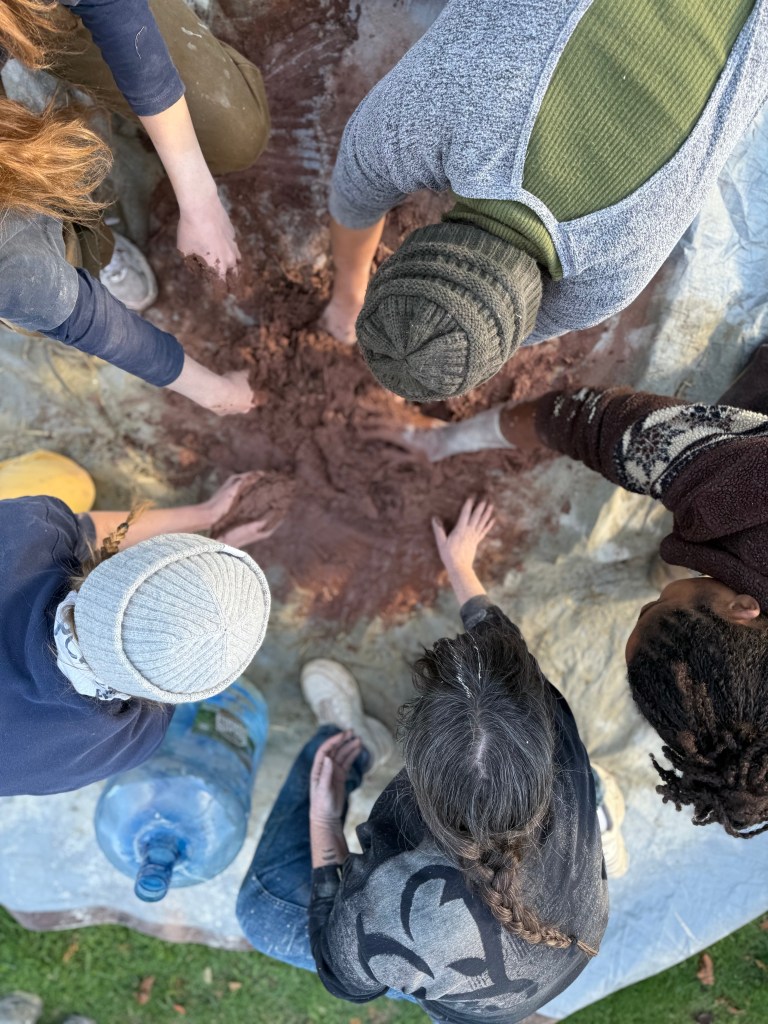
Get your hands dirty and feel what it’s all about
Learn more about how I can help you realize your natural building visions

I am open for work in building, teaching, consulting, and more!
Be the first to know about news and offerings
Follow me on Instagram: @biolithicbuilds
Latest posts
natural building: what and why?
Natural building is the umbrella term for an approach to building that takes a high degree of awareness and responsibility for the effects on people and planet. Think of it as prescription-strength “green building.”
reduce negative impact of materials
Thoughtful material choices dramatically lower emissions, pollution, and ecosystem impacts, while providing excellent performance
reduce negative impact of use
Live comfortably and far less harmfully by using methods like clean wood heat, thermal mass, passive solar design, insulation and natural ventilation.
reduce harmful substances
Avoid substances that are harmful to people and the planet, like VOCs, mold, formaldehyde, arsenic, phthalates, and PFAS
increase connection to the environment
Develop deep enjoyment, appreciation, and respect for nature by building in harmony with it.
increase the value and quality of the built environment
Create and live with buildings that encourage health, community, fun, creativity, learning, and compassion.
increase empowerment and self-expression
Discover and use our innate potential to build environments that reflect our best selves.
“Many of the worst examples of architecture and building are the short-lived, high-impact structures that today are being built all over the world out of code-approved materials and systems. Some of the oldest building materials and methods of construction can be seen in some of the most beautiful and enduring buildings in the world. Yet we have relegated indigenous, natural, low-tech materials and building systems to the status of ‘alternative’ materials and methods, even though in many climates, indigenous buildings are far more comfortable and less expensive than the modern buildings that have replaced them.”“
David Eisenberg

