
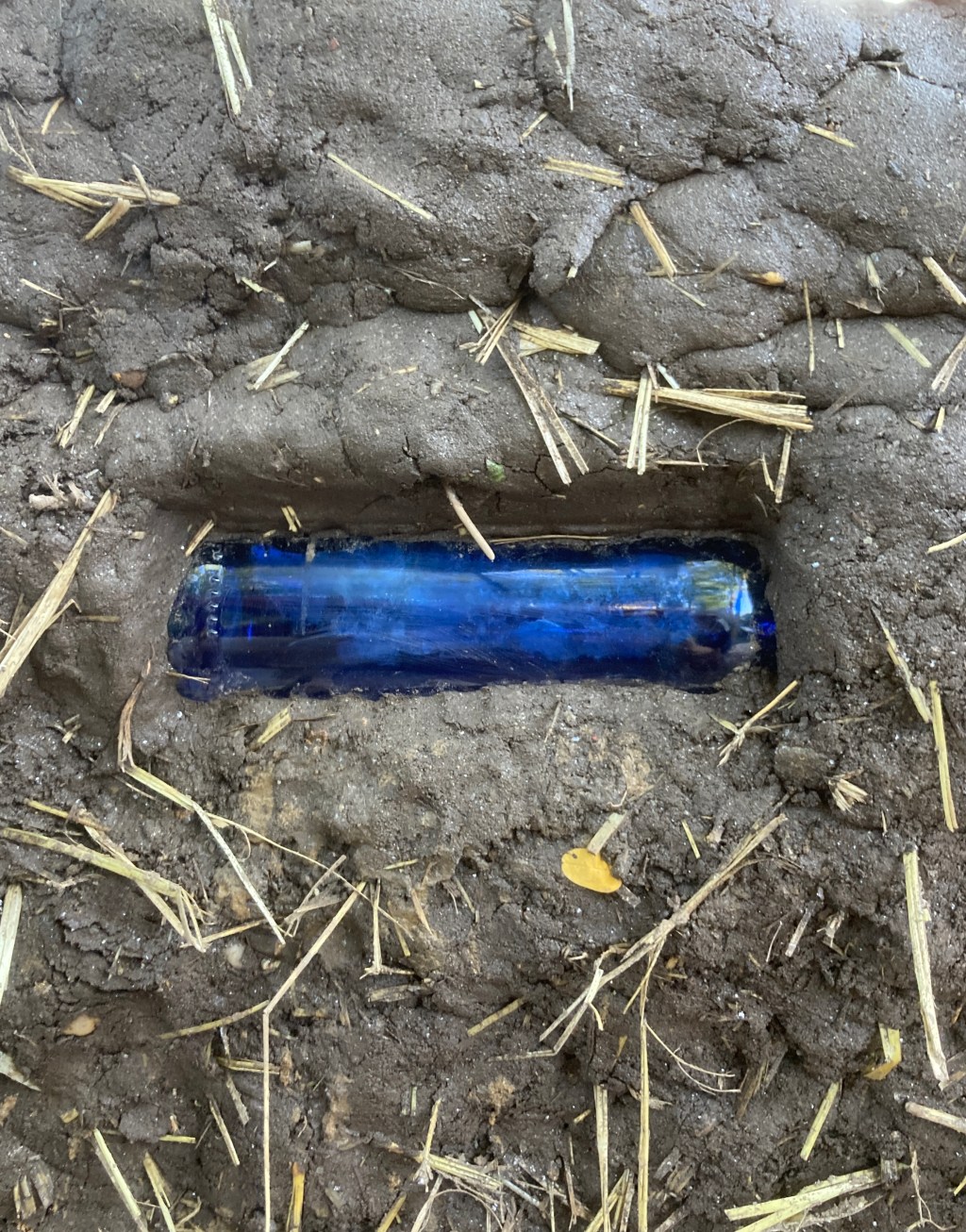
Cob… the beautiful gateway drug to natural building, and the material that launched my journey with Biolithic Builds. But what is cob, exactly, and what can it be used for, here in the chilly (but warming) Northeast? Let’s get some facts straight.
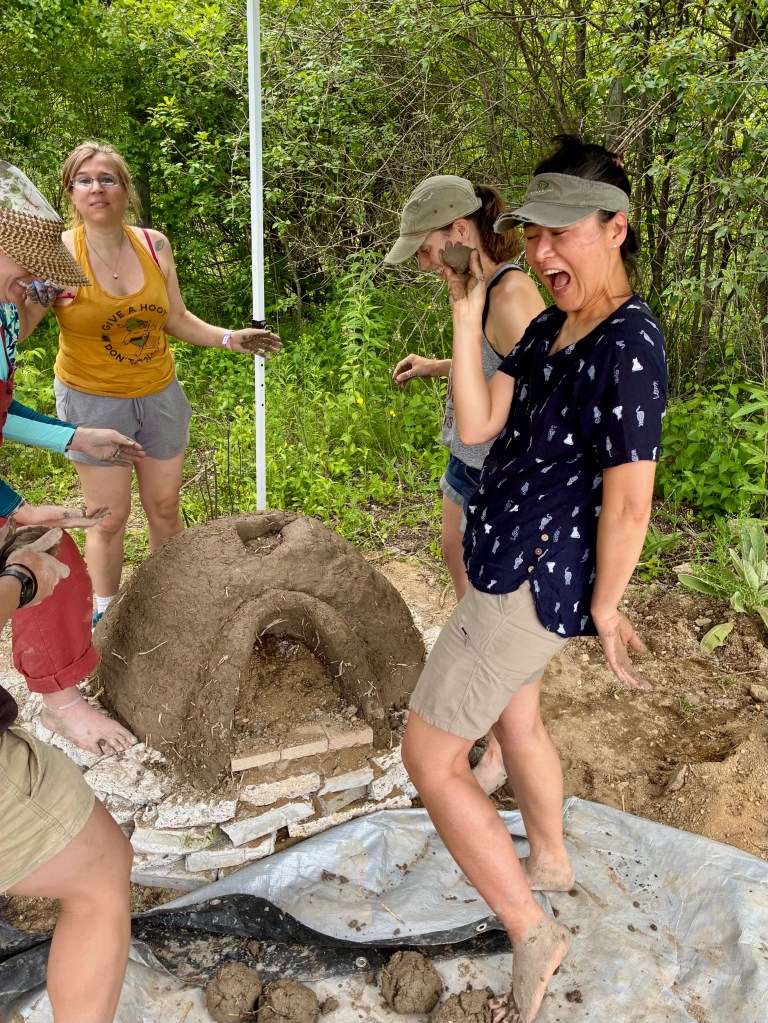
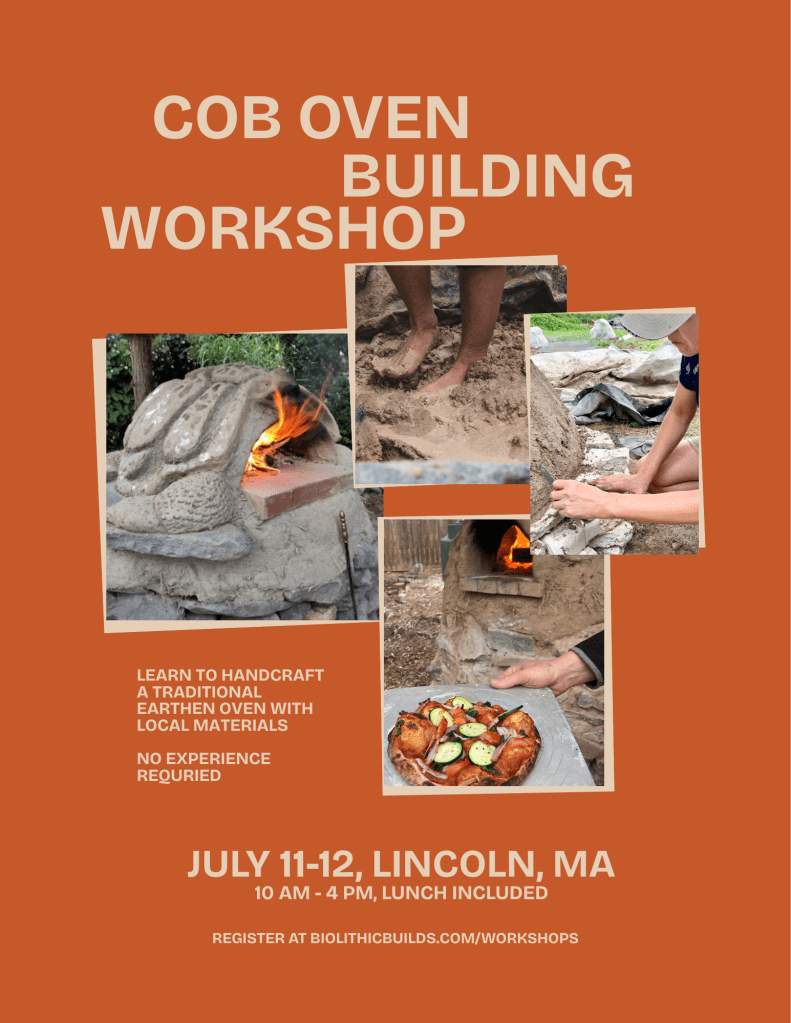
(By the way, tickets are still available for the Cob Oven Workshop near Boston on July 11-12 – click here for details)
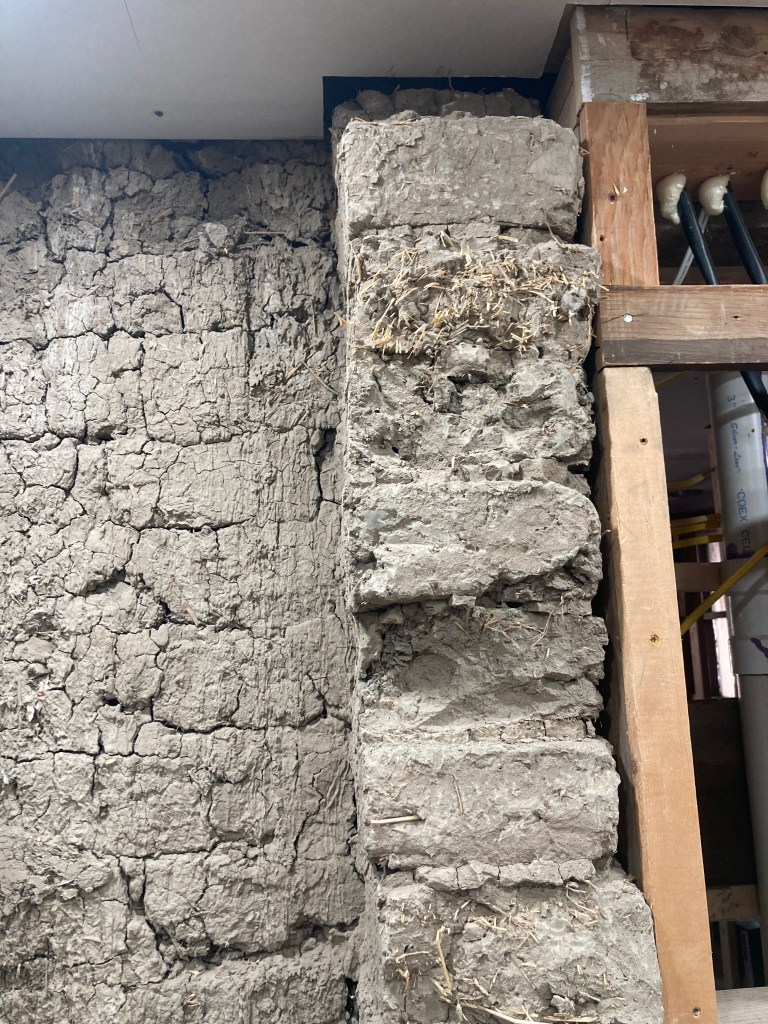
Cob is a mixture of aggregate, clay, fiber, and water
Cob is made of:
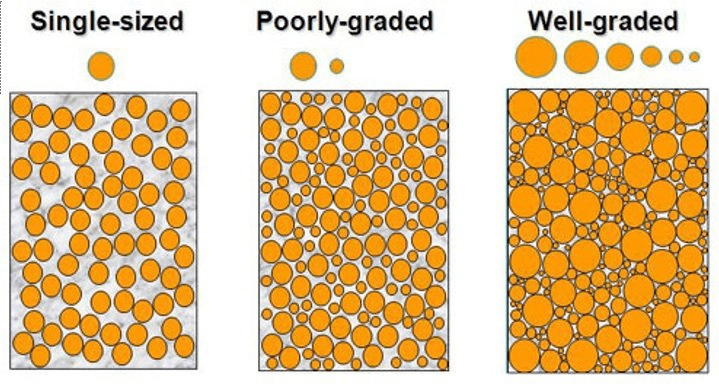
- Aggregate: Sand or even small gravel. Ideally a wide range of sizes (what we call “well-graded”), that are angular shaped so they “lock” together.


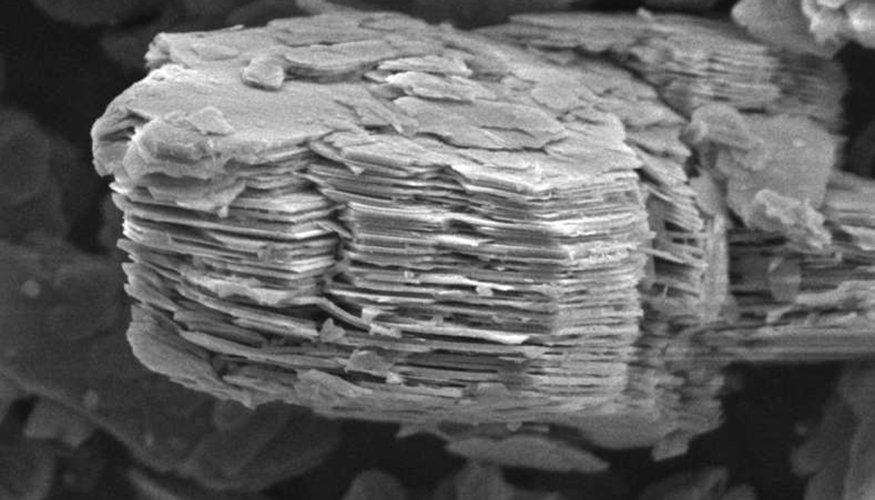
2. Clay: A sticky mineral, found in soils, that is used to bind the sand together. Molecularly, clay is very small particles of hydrous aluminum silicates. These microscopic, flat particles stick together because their flat shape allows them to touch each other a lot, so that forces that work only in very close proximity can take effect and hold them together. Thus, clay holds its shape, so your cob building doesn’t crumble like a sandcastle.
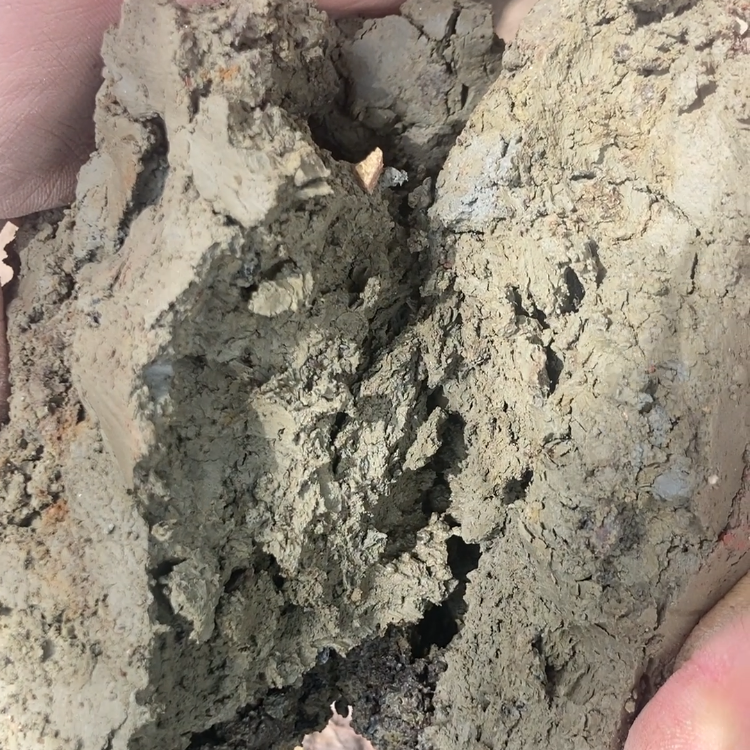
3. Fiber: Usually, dry straw, but most plant fibers will work: even pre-digested fiber in the form of cow manure! Fibers wind throughout the cob, creating a tangly network that holds it together when pulled.
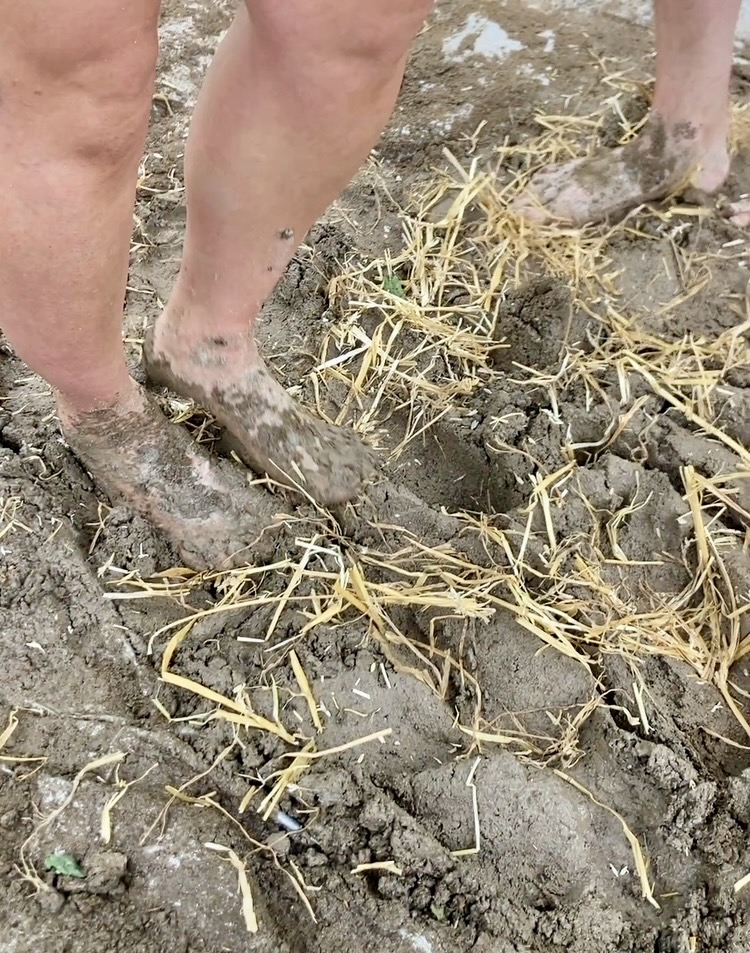
4. Water: Lastly, water lubricates all the particles and makes the clay sticky, so it all can pack into one dense, moldable material. When the water evaporates, the cob shrinks, making it even denser and stronger.
Rock-Solid Benefits
Cob’s high density is the core physical property that gives it so many benefits:
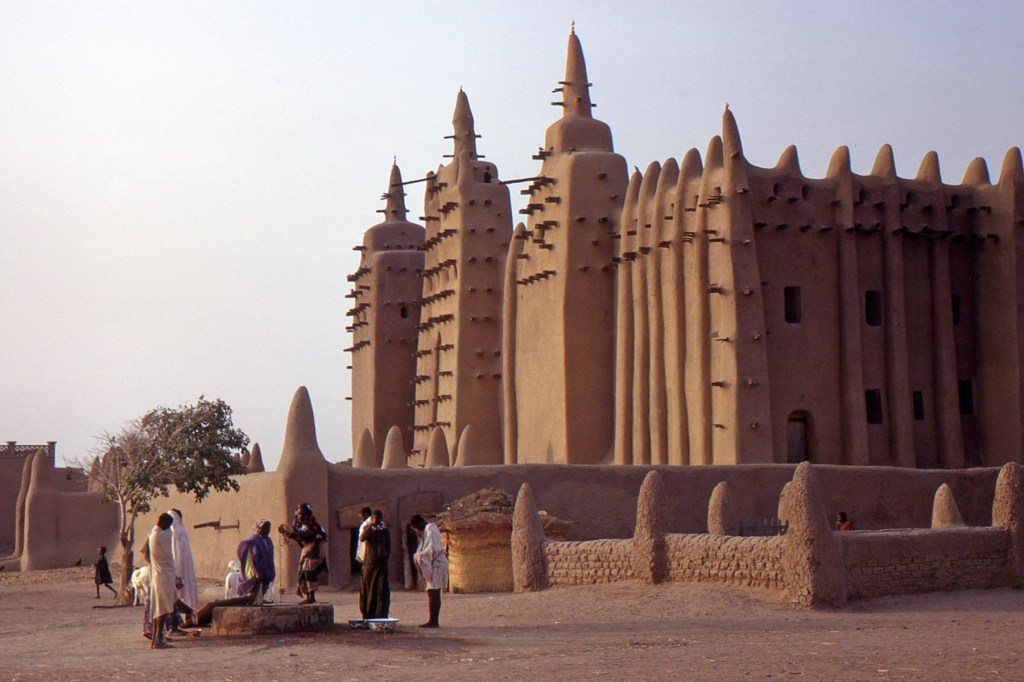
- Compressive strength: Multi-story buildings have been made of cob, and some have stood for hundreds of years. Cob is basically a human-made sedimentary rock!
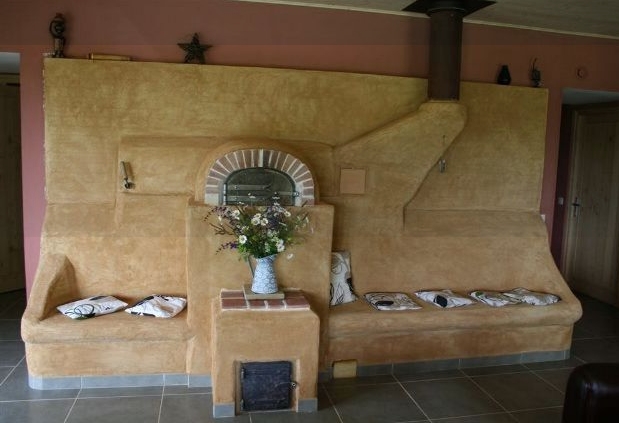
- Thermal mass, aka mass: Because there are so many atoms in so little space, and each atom can have heat energy by jiggling, you can store a lot of heat in a small volume of cob. This is useful if you want to heat up a cob wall, bench, or stove and use it as a heat source into the night. It’s also useful for “storing” cool night temperatures into the day.
- Fire resistance: Remember the fire triangle? Fire needs fuel, oxygen, and heat. Cob says no to all three. Cob is only about 1% straw, the rest is 99% sand and clay, which don’t burn. There’s little oxygen inside because it’s dense, not fluffy. And all those packed atoms jiggle the heat away into their neighbors, so it takes a lot of heat to make cob hot.
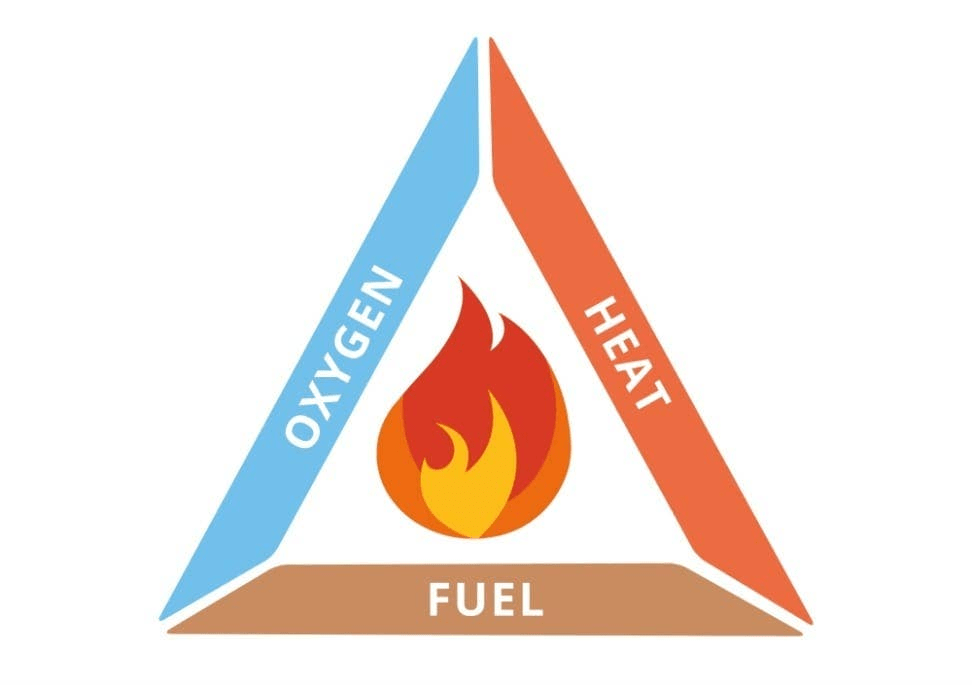
Water is the Kryptonite of All Buildings
The other key thing is how cob interacts with water. It’s really important to distinguish between long-term and short-term water exposure. If you leave cob sitting out, unprotected from rain, it’ll turn back into mush in a matter of weeks. If you elevate it off the wet ground with a non-wicking foundation, and put a big roof on top to block and divert rainwater, it’ll last just about forever. There’s even a saying for this: “A cob house needs a good pair of boots and a good hat.”
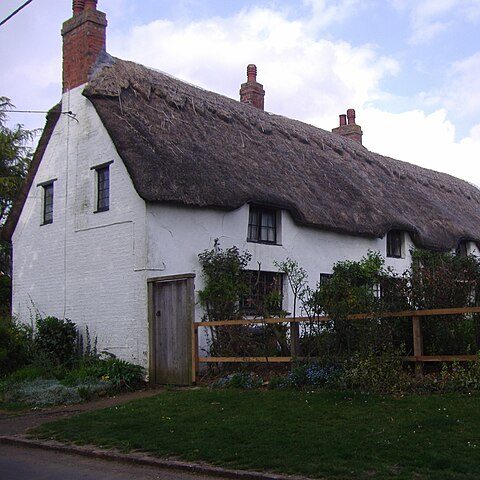
“Forever” is quite a bit longer than the sad 30-year mortgage life that houses are often built to last these days. But “forever” doesn’t come from the material alone: the way the whole building is designed, built, and maintained determines its lifespan. But cob is great at handling the unavoidable hijinks of water that frequently lead modern buildings to their moldy ends.
Here’s the problem: air contains water vapor. Air gets everywhere, so water gets everywhere. When warm, humid air meets a colder surface, water condenses on the cold surface.

In an “all sealed up” modern building, that water tends to collect, as in a bathtub. But in a cob wall, when one part gets damp, it “dries itself” by spreading that water throughout the whole mass. This helps keep moisture levels low—too low for mold to grow. Then, when conditions dry out (the sun shines, the humidity falls), the moisture is released back into the atmosphere. So remember: the hijinks of airborne humidity are fine, but repeated exposure to standing water is a recipe for mud.
So what is cob used for?
Keeping in mind all these properties, the best uses for cob are:
- House walls in climates where you don’t frequently heat or cool. Cob is not insulating: think of it like a stone house. Nice and cool in the summer, but bone-chillingly cold in the winter (unless you burn kingly amounts of fuel.)
- Strategic heat-storing devices: building a masonry heater wrapped in cob, inside your insulated house in Minnesota. A pizza oven that is going to crank out dozens of pizzas over an all-night party. A thick wall or floor to absorb daytime solar heat and releases it at night.
- In all applications, it needs to be protected from liquid water by a good pair of boots and a hat.

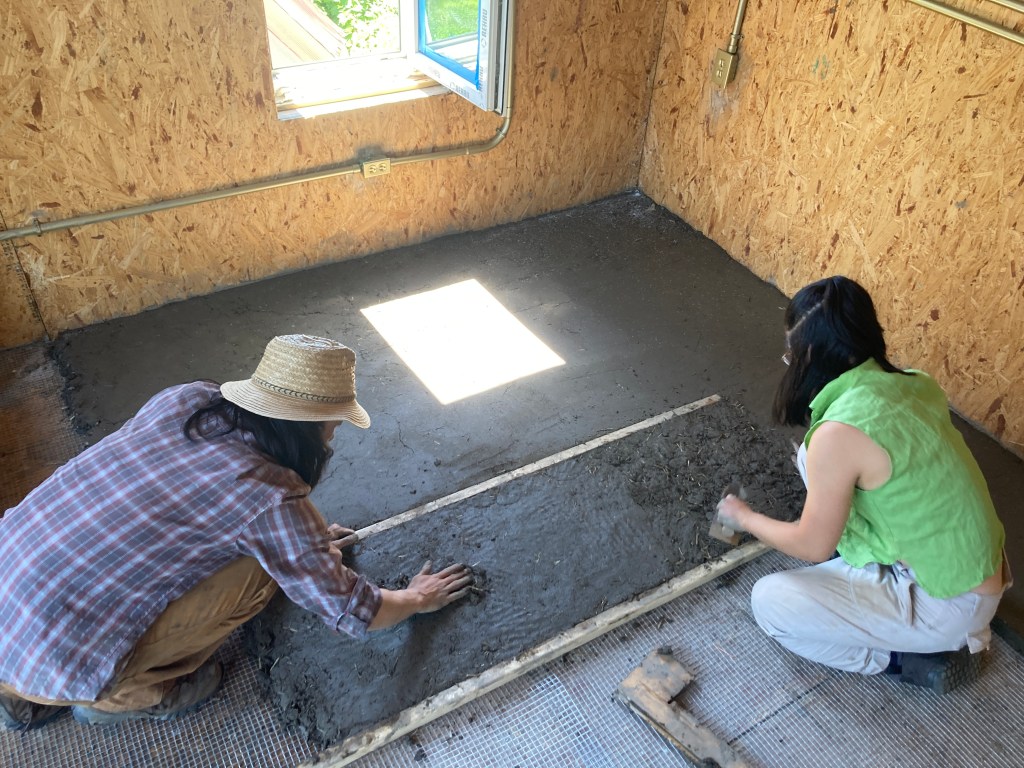
Notice how these applications come with a certain commitment: since cob is so dense, it’s not very portable. You don’t want to build a cob house on a trailer, or try to move a 600-pound pizza oven with you across the state.
While some may see it as inconvenience, that’s also the beauty of cob: in a world obsessed with speed and disposability, cob asks us to commit to something. It’s the antithesis to the trend of modular, impermanent buildings. Cob demonstrates what we stand to gain by slowing down and building a lasting relationship with land and people. That’s what so many of us are craving in this age of digital transience: the sense of belonging and rootedness that can only come from real, physical experiences.

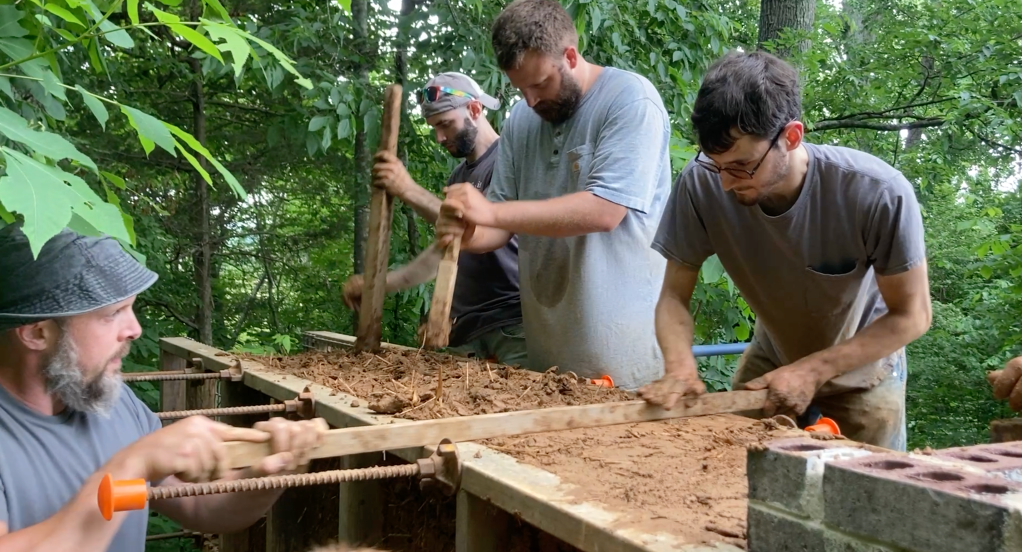
Kiko Denzer writes here,
“[From what I’ve seen since writing Build Your Own Earth Oven], ovens and community still go together — whether community is the family, the neighborhood, a co-housing group, or a town with a new restaurant. And it isn’t just the eating that joins us — it’s the joy of shared labor, which can be a novel and pleasant surprise in this industrial culture where people often work alone in offices and facilities far removed from sun, soil, and neighbors”
Want to learn more?
There are still spots available at my Cob Oven workshop in Lincoln, MA coming up soon on July 11-12. Click the flyer below to learn more!


Leave a Reply